




Related posts
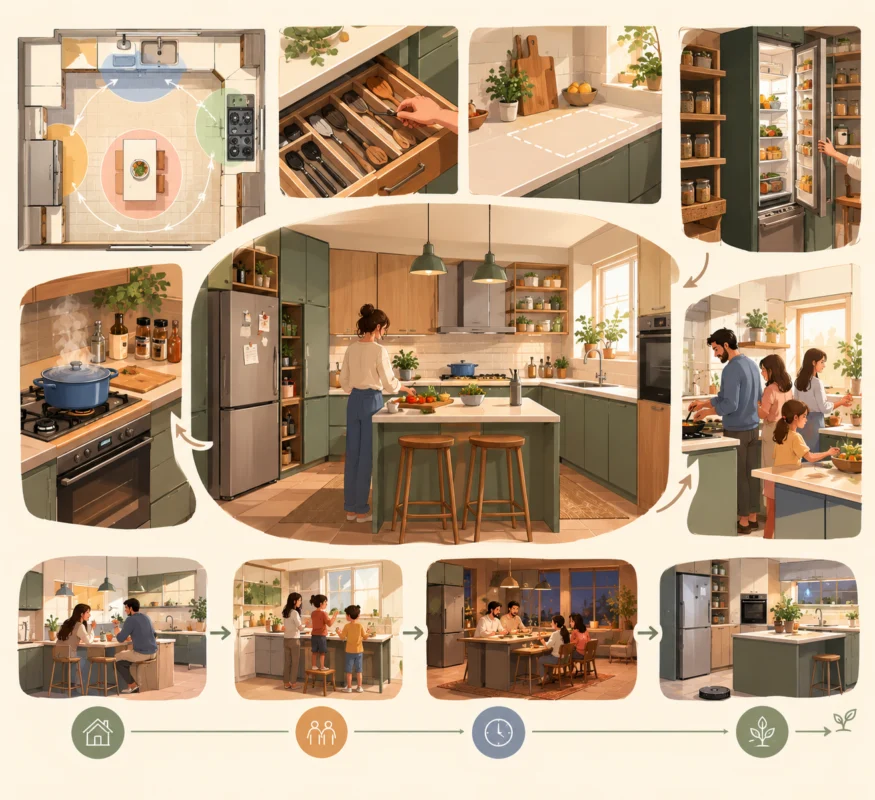
Kitchen design that grows with you: How to design a space that remains comfortable years later?

There are kitchen designs that immediately catch your eye, whether due to their colors, the shape of their cabinets, or their modern details. And then there are other kitchens...
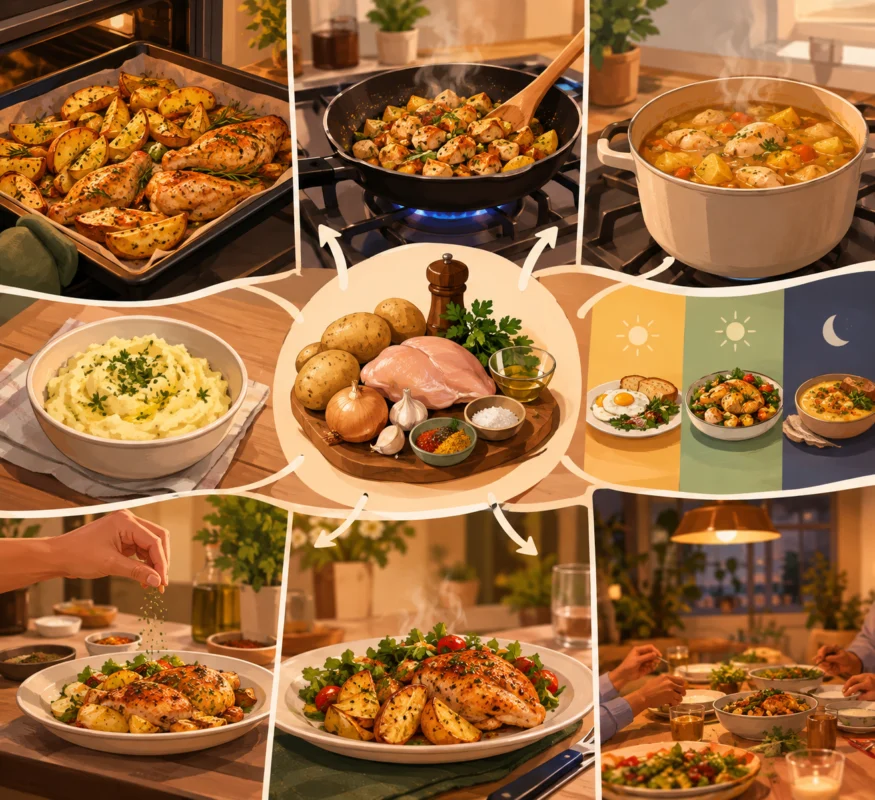
Same ingredients… different dishes: How do details create the character of a dish?
Imagine you have potatoes, onions, chicken, some spices, and a little oil. Simple ingredients found in most kitchens. But...
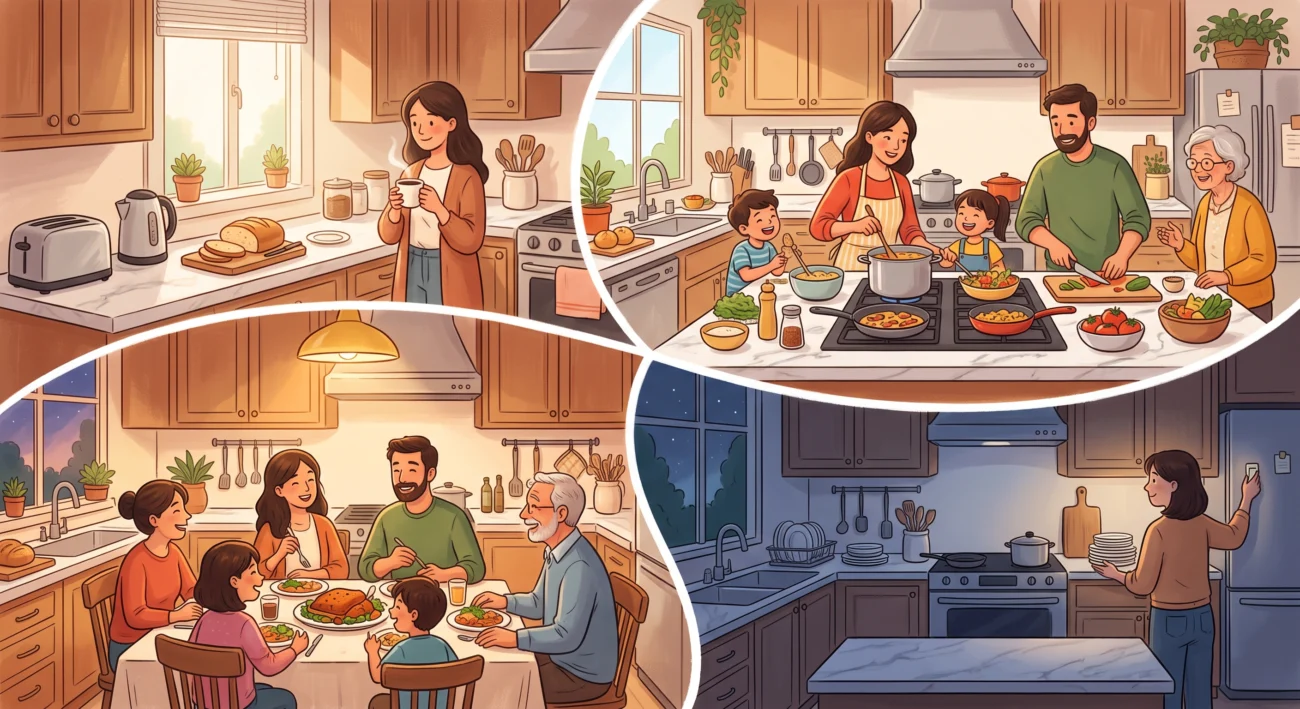
The kitchen, where we live every day: why do the most beautiful moments of the home begin there?
If you tried to recall a kitchen from your childhood, your memory would likely not begin with the shape of the cabinets or the color of the marble. You would remember a particular smell...
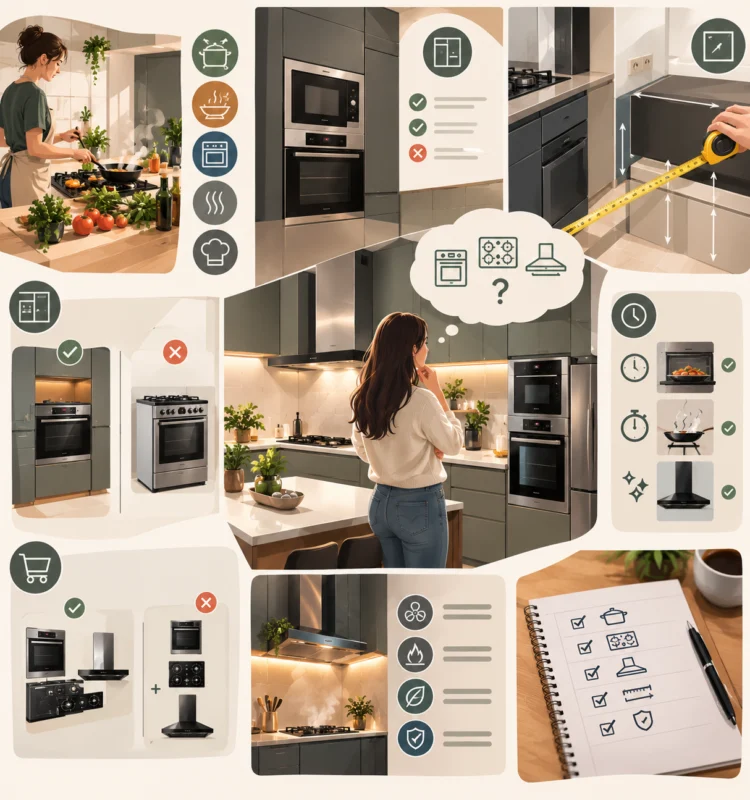
Kitchen appliances are more than just specifications: Important tips before buying and installing
When we think about kitchen appliances, the first thing that usually catches the eye is the specifications: number of programs, power, materials, design...
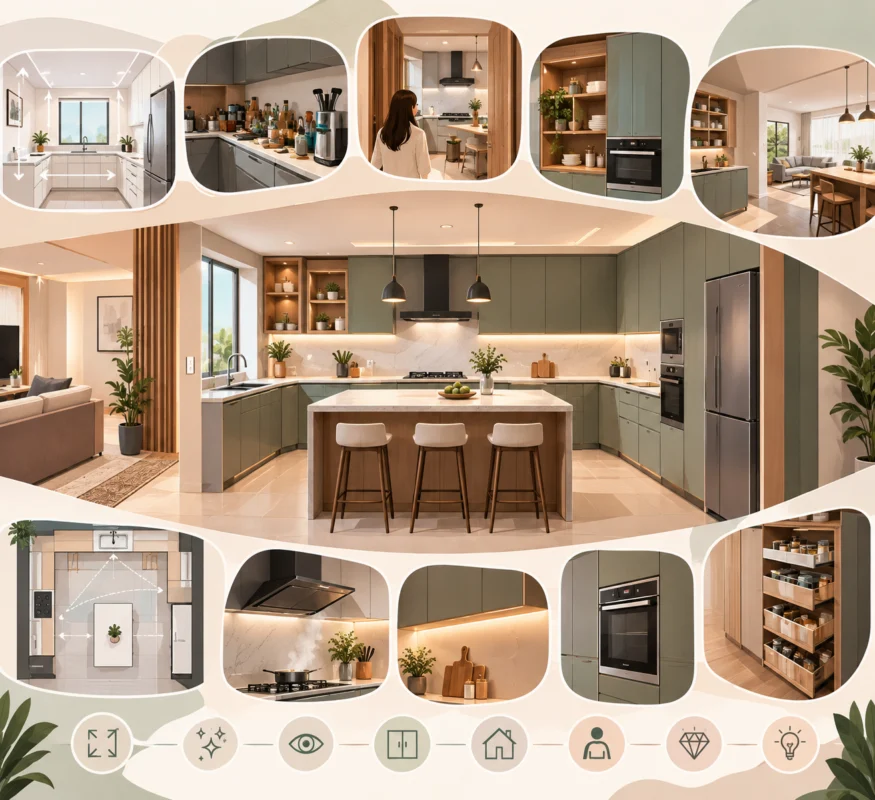
The ideal kitchen is not just about looks: how to design a beautiful and comfortable space?
You might enter a kitchen for the first time and immediately feel it's spacious, tidy, and comfortable, even if it's not very large. In another kitchen, you might find...
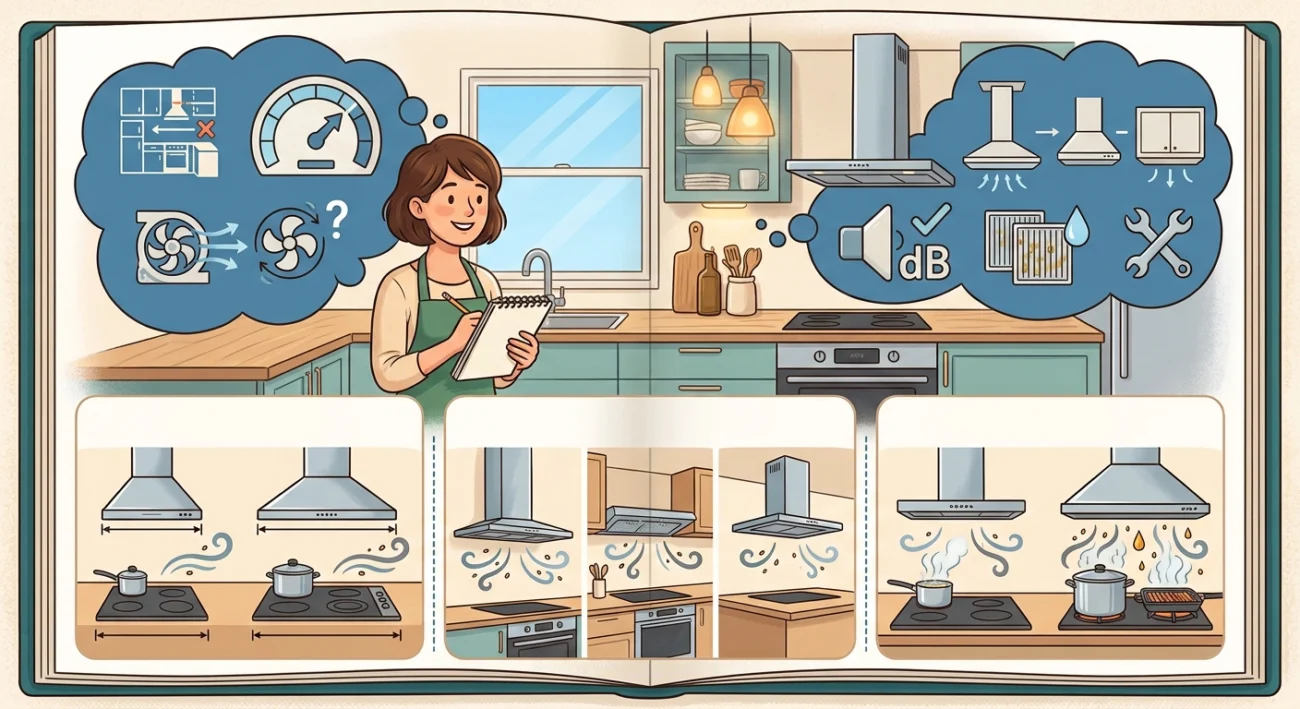
Kitchen extractor fan buying guide: How to choose the right size, type and power?
When furnishing a kitchen, choosing a range hood is often one of the last decisions we consider. We choose the cabinet style first, then the range hood...
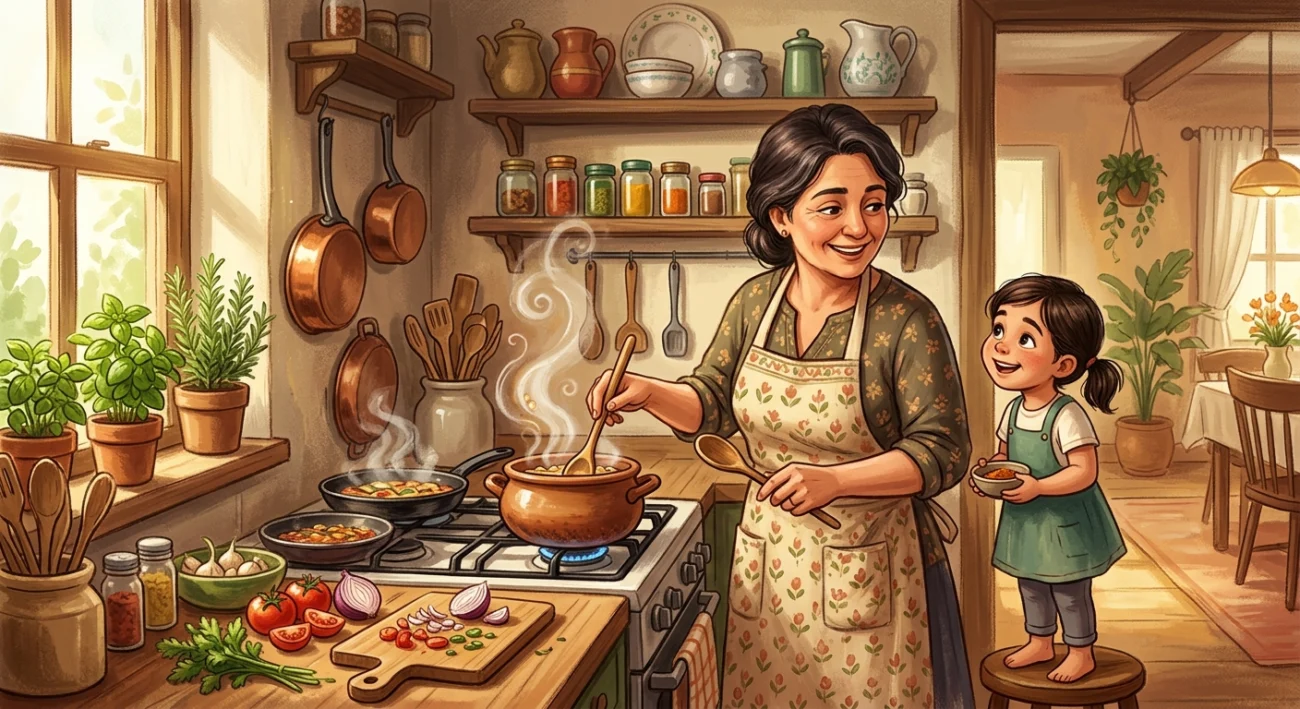
The dish starts before we add the first ingredient
In many dishes, the first bite isn't the beginning of the story. The story can begin from a very small moment: the smell of onions frying in the kitchen...
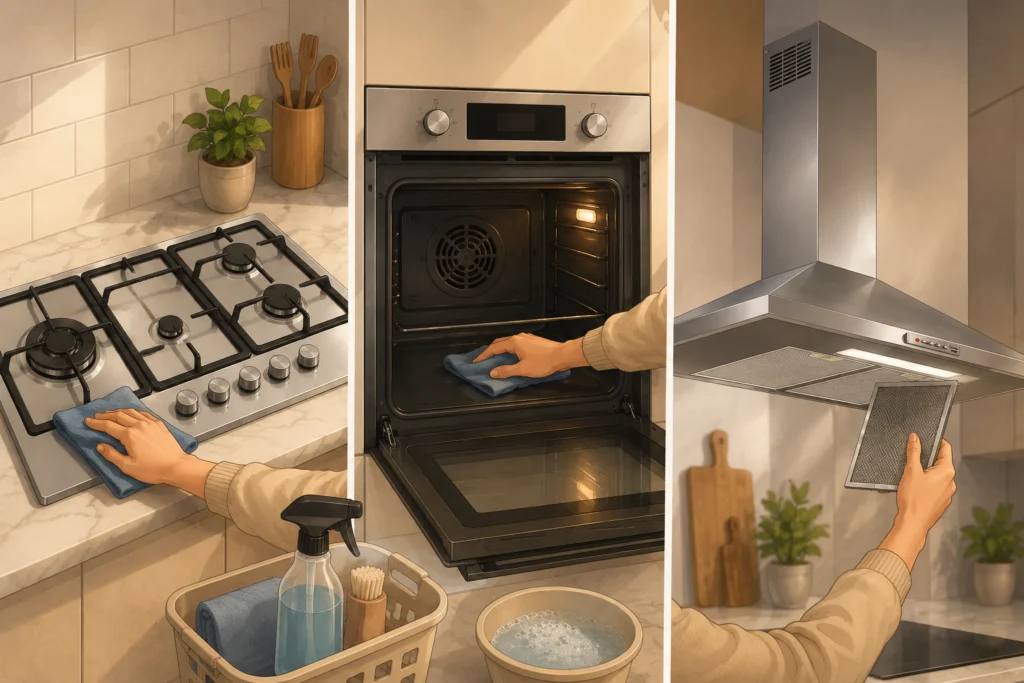
The devices that operate every day… who cares about them?
Almost every day we use kitchen appliances without giving them much thought. We turn on the stove to make coffee or lunch, we open the door...
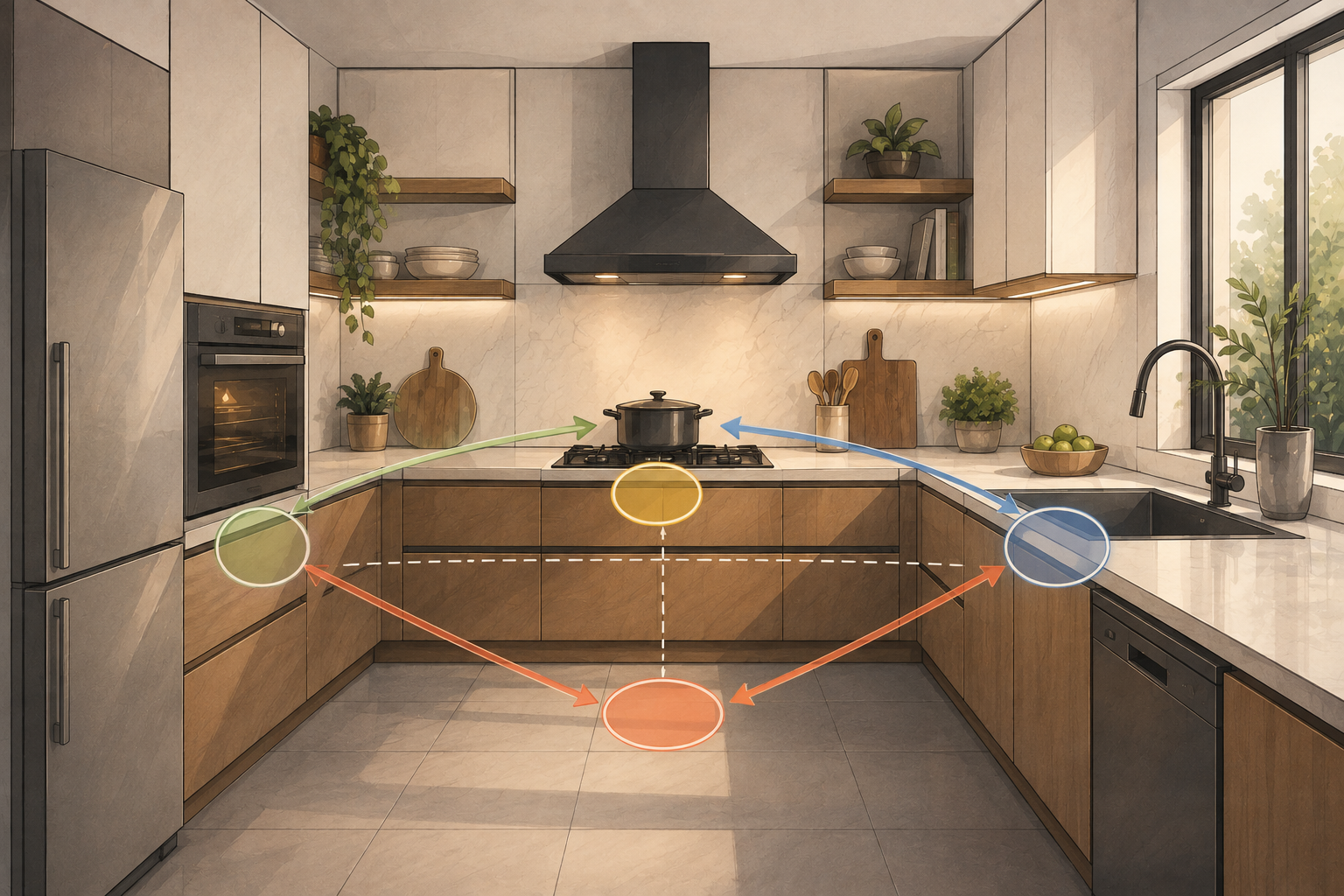
Kitchen design starts with movement: How to make every step in the kitchen easier?
A kitchen may look beautiful in photos, with harmonious colors and distinctive materials, but once you use it daily, you start to...
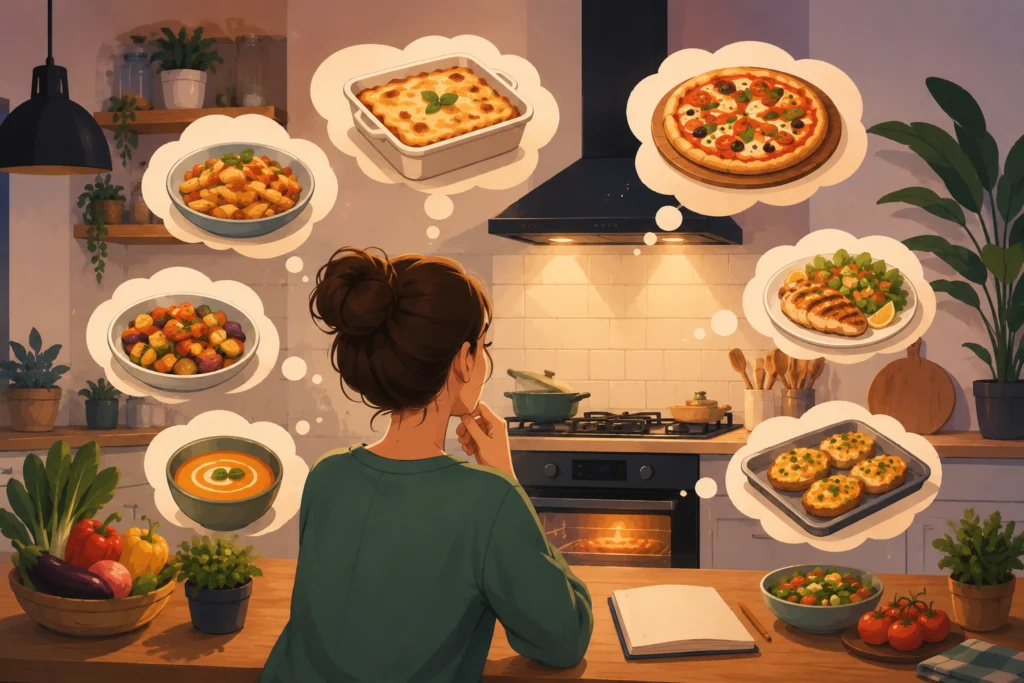
Different dinner ideas when you get bored of the same meals
She opens the refrigerator, looks inside, then closes the door. A few minutes later, she opens it again as if something new is about to appear...
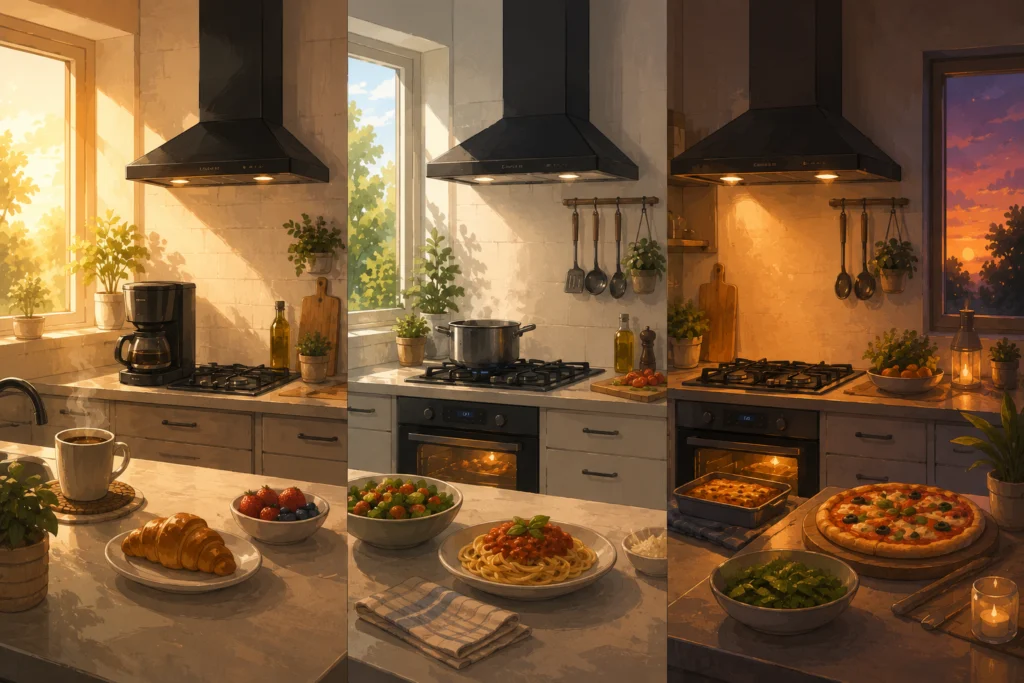
Every home has its own rhythm… and every time has its own flavor
Houses may be similar in design, similar in size, and perhaps even contain the same appliances, but you will always feel that each house...
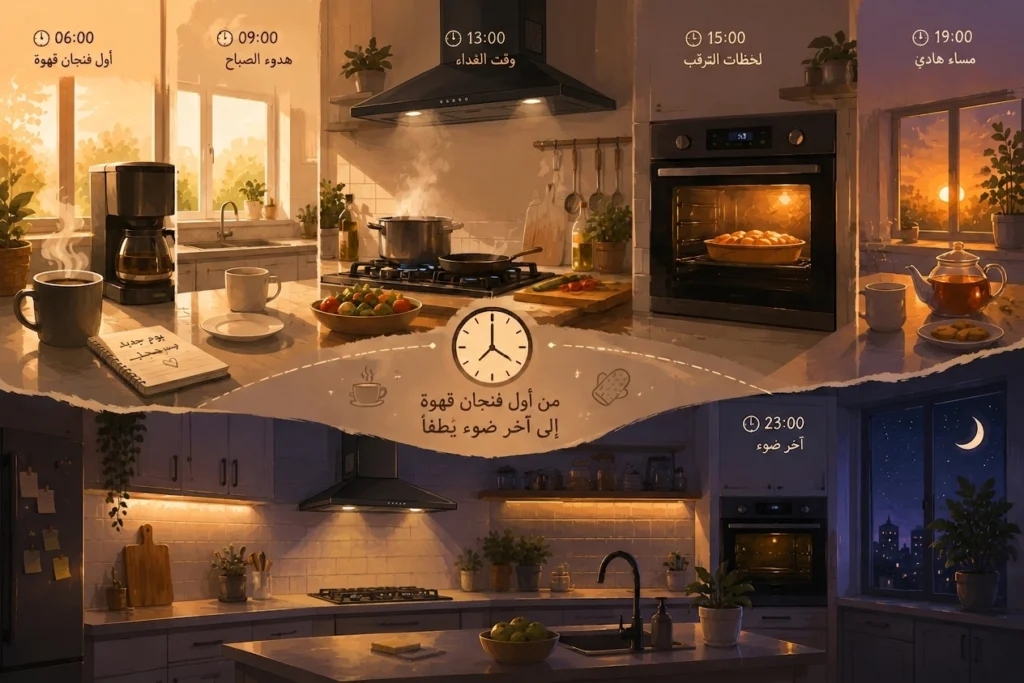
A day in the life of a kitchen: from the first cup of coffee to the last light turned off
The whole house doesn't wake up at the same time. There's always one place that's ahead of everyone else. Before the rooms fill with activity, before...


