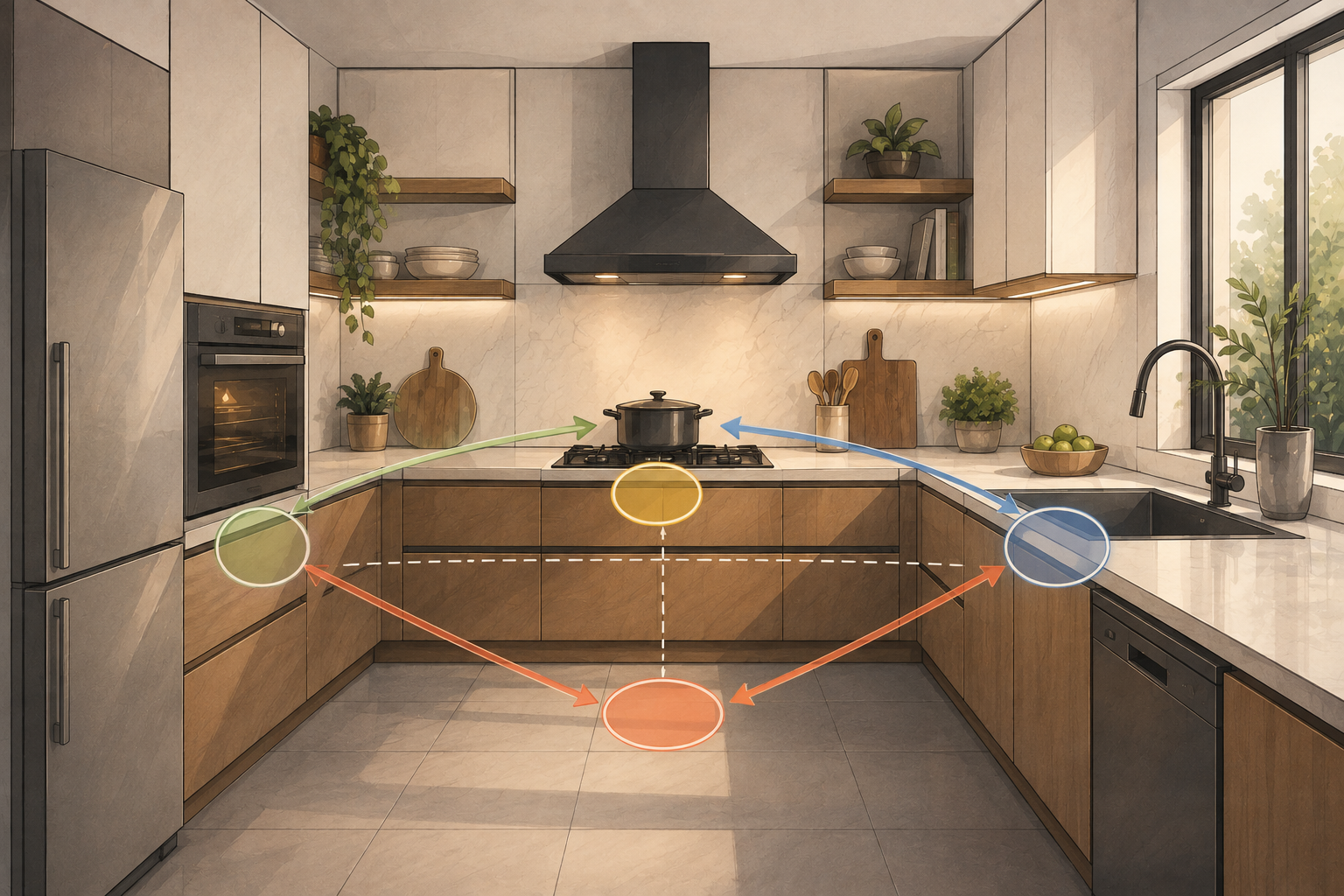
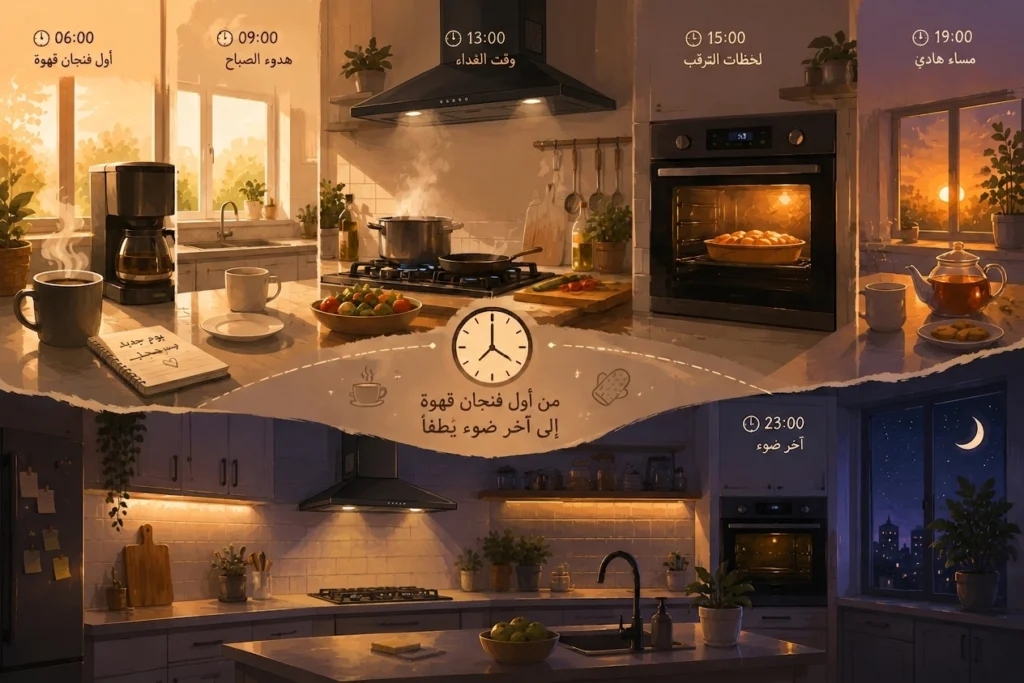
The language of the kitchen isn't words we hear, but rather signals we experience every day without realizing it. When you enter the kitchen to prepare a meal, the space begins sending a series of messages through sounds, smells, steam, heat, and even the movement of the air around you.
At first these details may seem ordinary, but over time you will discover that they tell you what is happening inside the cooking pots, whether the heat is appropriate, when the food is close to being cooked, and even when the kitchen needs better ventilation.
That's why experienced chefs don't rely solely on the timer or the recipe, but constantly read these signals, because they give them a deeper understanding of what is happening during cooking.
Every kitchen has its own rhythm
Before turning on the stove, the kitchen should be a quiet place.
But once the fire is lit, everything gradually begins to change.
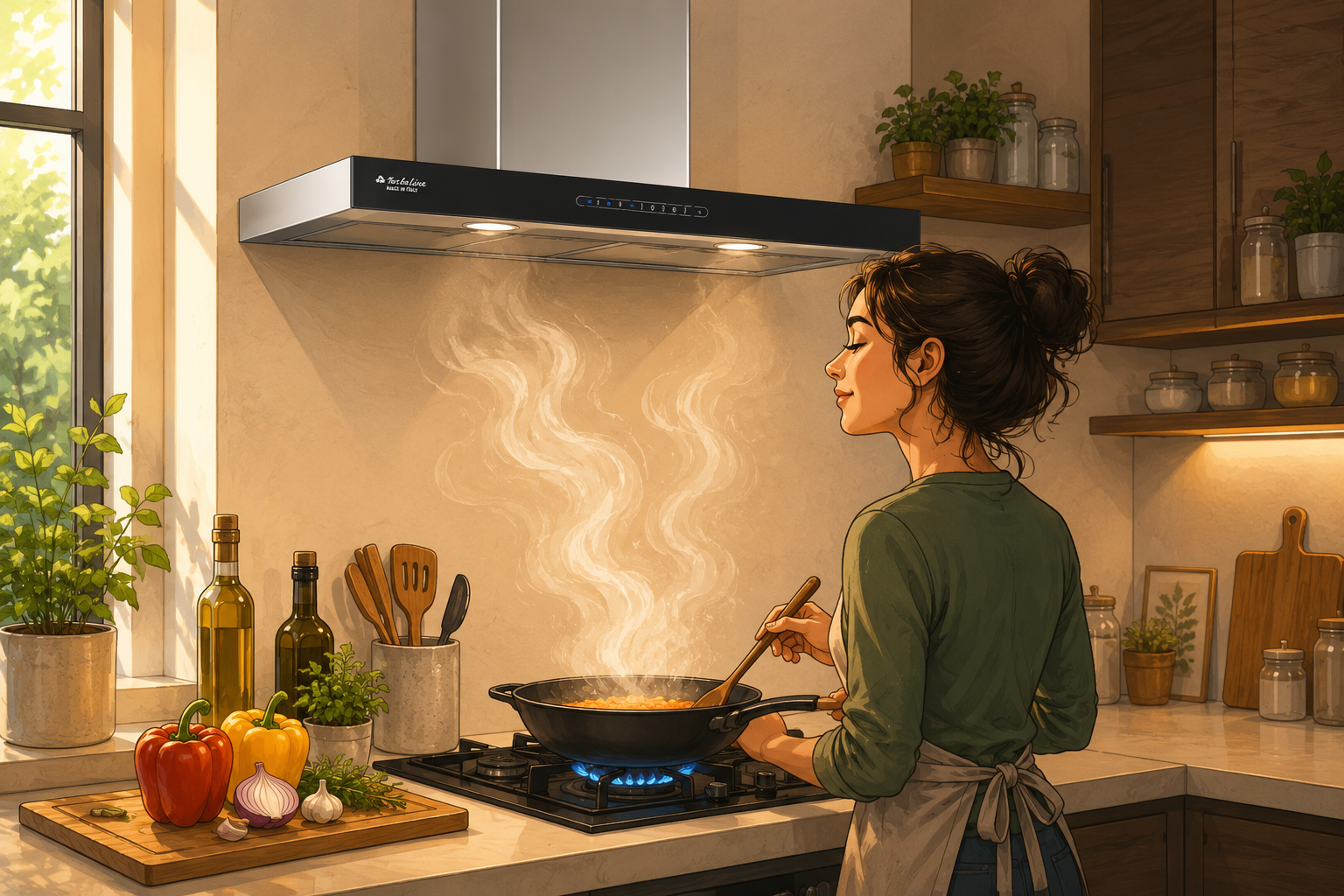
The temperature rises slightly, the first smells begin to appear, then you hear the sound of oil, steam appears, and the air movement inside the kitchen begins to change.
You may not notice it at first, but all these elements work together to tell you what is happening moment by moment.
This is why an experienced chef sometimes senses that something is not right even before he looks at the food, because he is used to reading this natural rhythm of the kitchen.
The sounds tell you more than you expect
Sound is one of the first signals that the kitchen sends.
As the pan heats up gradually, the sound it makes when the oil touches it changes.
When the onions start to sauté, the sound changes again, then becomes quieter as they lose some of their moisture.
If the frying sound suddenly increases, the heat may be too high, or the food may contain too much water.
Even boiling water has more than one form; a gentle boil is different from a violent boil, and each has its use in cooking.
This is why many chefs rely on their ears as much as they rely on their eyes.
Steam is not just steam
Most people view steaming as a normal part of cooking, but in reality, it carries a lot of information.
At the beginning of cooking it is light and sparse, then it becomes denser as the heat rises and moisture comes out of the food.
When preparing dishes that rely on boiling or slow cooking, the steam may last for long periods, while grilling and frying produce steam mixed with fine particles of fats and oils.
Over time, if this steam is not removed, it may spread throughout the kitchen and affect the comfort of the place, and may also leave greasy marks on surfaces and cabinets.
Therefore, the role of the extractor fan is not limited to removing odors only, but it also helps to draw out a large part of the steam and grease trapped in the air, making the cooking environment more comfortable.
The smells arrive before you see the food
Interestingly, the sense of smell can sometimes tell you what is happening before you see it with your eyes.
The smell of garlic at the beginning is completely different after just one minute.
Onions go through distinct stages, from a pungent smell to a sweet smell that indicates the beginning of caramelization.
As for bread or pastries, their aroma often begins to spread minutes before they are fully cooked, which makes the aroma one of the most important indicators that many cooks rely on.
But when the kitchen atmosphere is filled with steam and grease, it becomes difficult to distinguish these subtle differences, and this is where the importance of constantly refreshing the air comes in.
Heat also speaks
You don't need a thermometer every time to know if the temperature is suitable.
The way food reacts with the pan, the rate at which liquids evaporate, and the shape of the bubbles are all signals that help you estimate the cooking temperature.
Very high heat may burn the outer surface of the food before it is cooked inside, while low heat leads to a loss of the desired texture in some dishes.
Therefore, good cooking depends not only on lighting the fire, but also on controlling the heat throughout the cooking process.
Even the air inside the kitchen plays a role
We may not see it, but it is constantly moving.
When food starts to release steam and odors, the air laden with these particles travels throughout the kitchen.
If he cannot find a way out, the temperature gradually rises, the humidity increases, and you may feel that the place has become heavier and less comfortable.
When the extractor fan works efficiently, it helps to constantly renew the air, so that visibility remains clearer, accumulated odors are reduced, and standing in the kitchen for long periods becomes more comfortable.
When appliances become part of the language of the kitchen
Modern devices do not just perform one function, but also help you understand what is happening around you.
Good lighting under the extractor fan makes the color of the food more visible.
The quiet operation allows you to hear natural cooking sounds without disturbance.
As for the ease of controlling the speeds, it gives you the ability to deal with the varying amount of steam and aromas from one recipe to another.
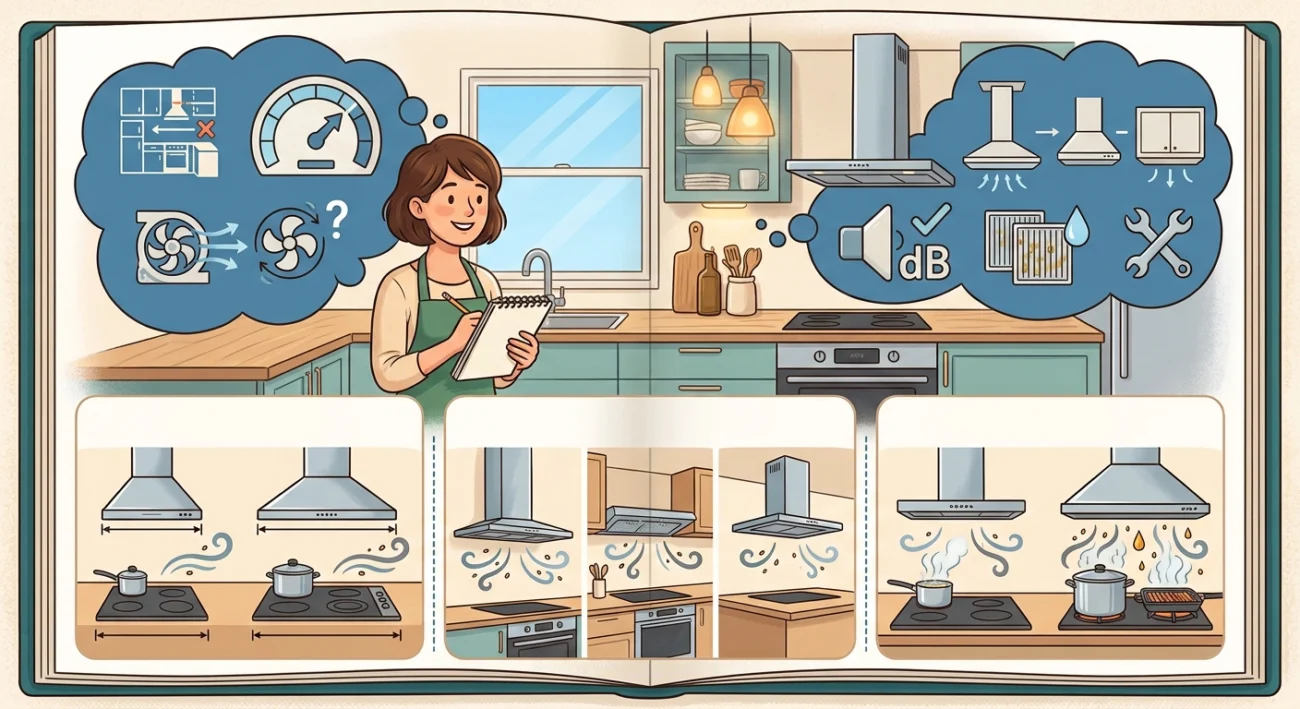
If you rely on daily cooking, a pyramid or T-shaped extractor hood may be a suitable option thanks to its suction power and wide coverage area, while a flat extractor hood is suitable for small kitchens that need to make use of space without sacrificing practicality.
Experience begins with observation
Over time, you will notice that you no longer rely solely on the clock.
You will know from the sound that the pan is ready.
The smell indicates that the spices have reached the right stage.
The steam indicates that the food is almost cooked.
The air movement inside the kitchen will tell you when you need to turn on the extractor fan or increase its speed.
These small details are what transform cooking from carrying out memorized steps into a smoother and more enjoyable experience.
A language that needs no words
The kitchen doesn't speak aloud, but it sends out dozens of signals every minute.
Every sound, every smell, every change in temperature or vapor, carries a simple message that helps you understand what is happening in front of you.
When you start noticing these messages, you will find that cooking becomes calmer, and your decisions in the kitchen become faster and more accurate, because you no longer rely solely on timing, but understand the language of the kitchen itself.
Sounds, smells, and steam may seem like mere passing details, but they are actually part of a language the kitchen speaks all the time.
The more attentive you become to these cues, the more control you have over the cooking experience, the more you enjoy it, and the more consistent the results you achieve.
Ultimately, a good kitchen doesn't just make food, it gives you an environment that helps you read all these signals easily, making every meal a more comfortable and enjoyable experience.
The next time you start cooking, observe your kitchen. Listen to the sounds, notice the movement of steam and air, and the aromas. You'll discover that small details you never noticed before are what truly make the difference in your daily cooking experience.