

Related posts
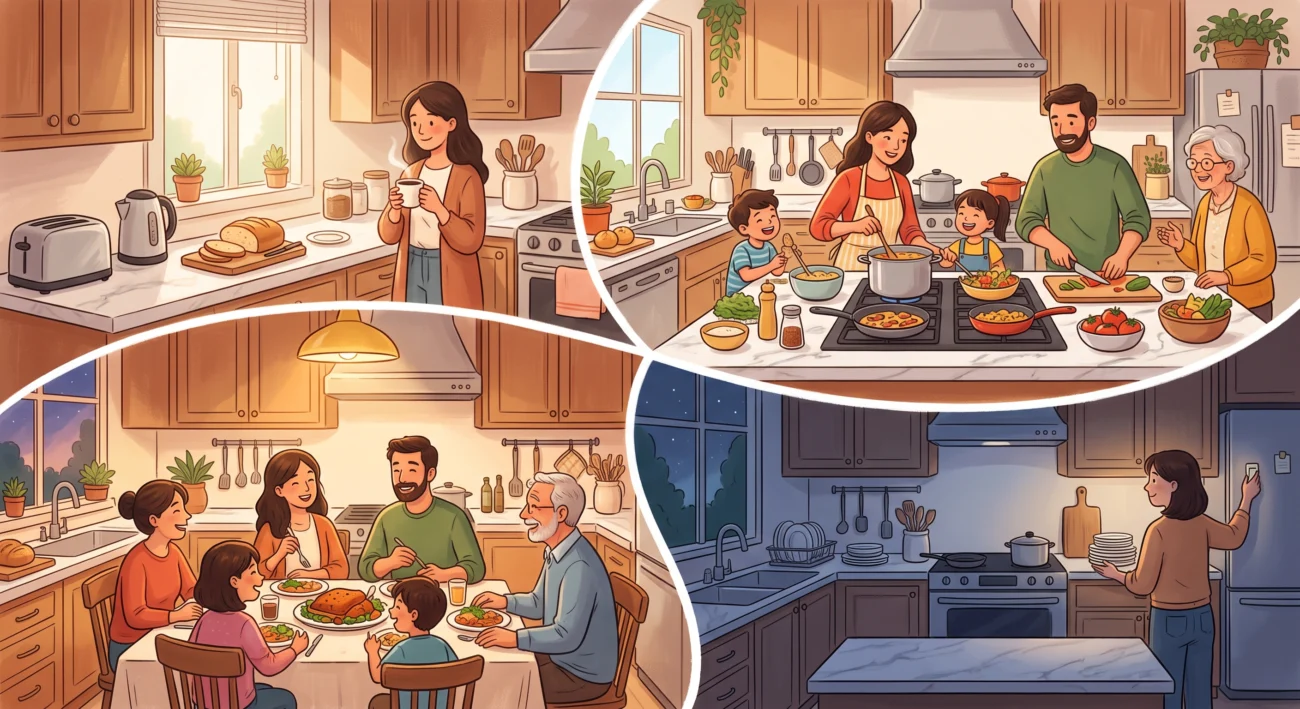
المطبخ الذي نعيشه كل يوم: لماذا تبدأ منه أجمل لحظات البيت؟

لو حاولت أن تتذكر مطبخًا من طفولتك، غالبًا لن تبدأ ذاكرتك بوصف شكل الخزائن أو لون الرخام.ستتذكر رائحة معين...
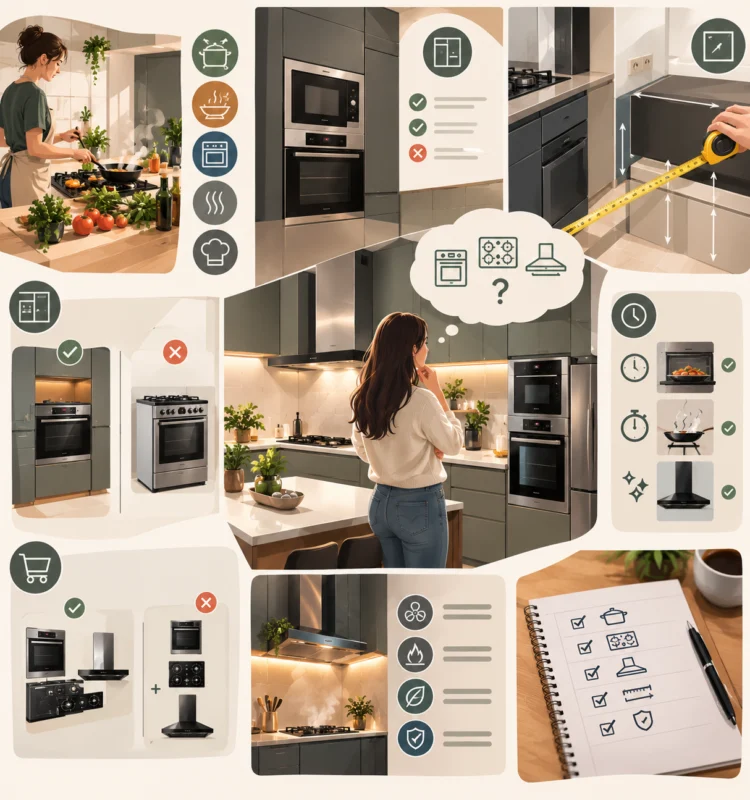
أجهزة المطبخ مش مجرد مواصفات: نصائح مهمة قبل الشراء والتركيب
لما بنفكر في أجهزة المطبخ، أول حاجة غالبًا بتلفت الانتباه هي المواصفات: عدد البرامج، قوة الجهاز، الخامات، التص...
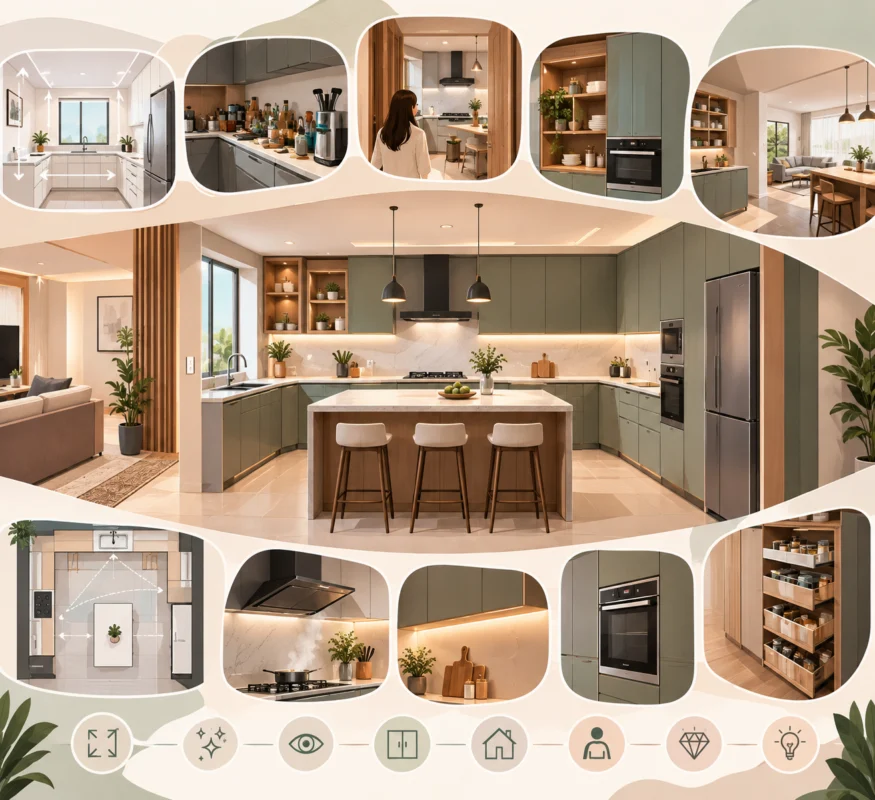
المطبخ المثالي مش مجرد شكل: كيف تصمم مساحة جميلة ومريحة؟
قد تدخل مطبخًا لأول مرة وتشعر فورًا بأنه واسع ومرتب ومريح، حتى لو لم تكن مساحته كبيرة.وفي مطبخ آخر، قد تجد...
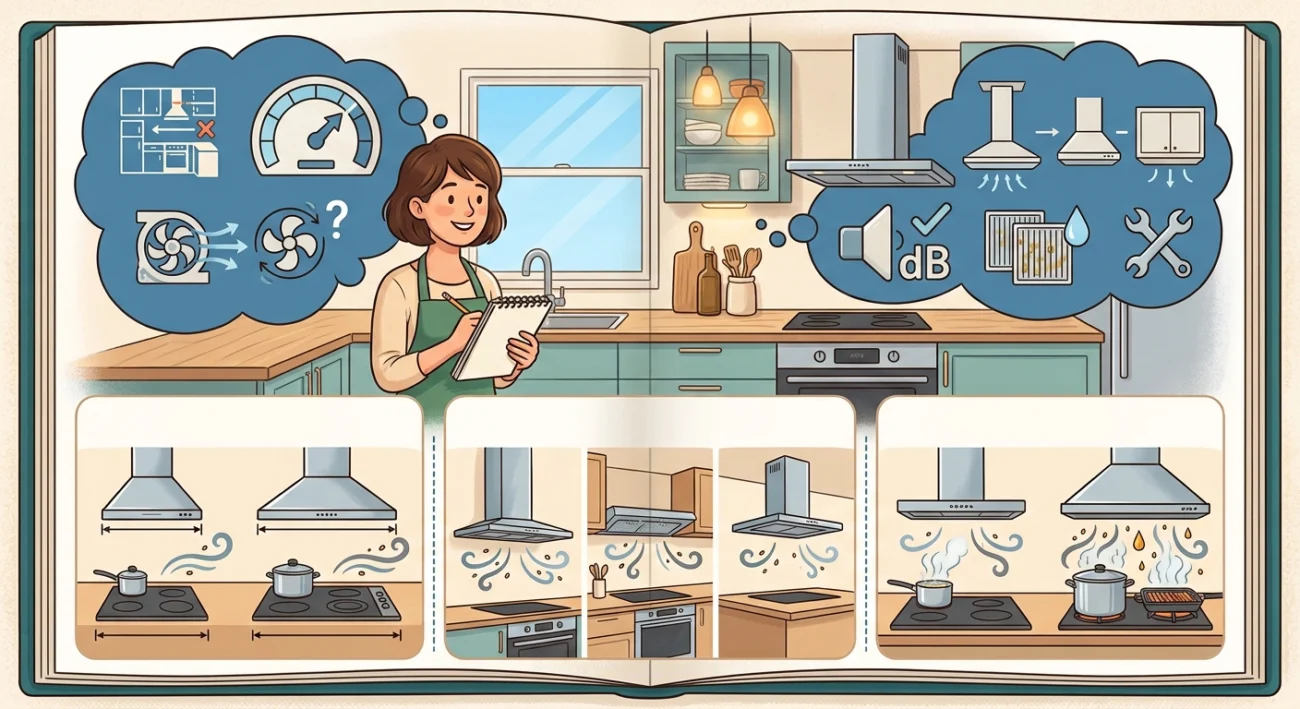
دليل شراء شفاط المطبخ: كيف تختار المقاس والنوع والقوة المناسبة؟
عند تجهيز المطبخ، غالبًا ما يكون اختيار الشفاط من آخر القرارات التي نفكر فيها.نختار شكل الخزائن، ثم البوتج...
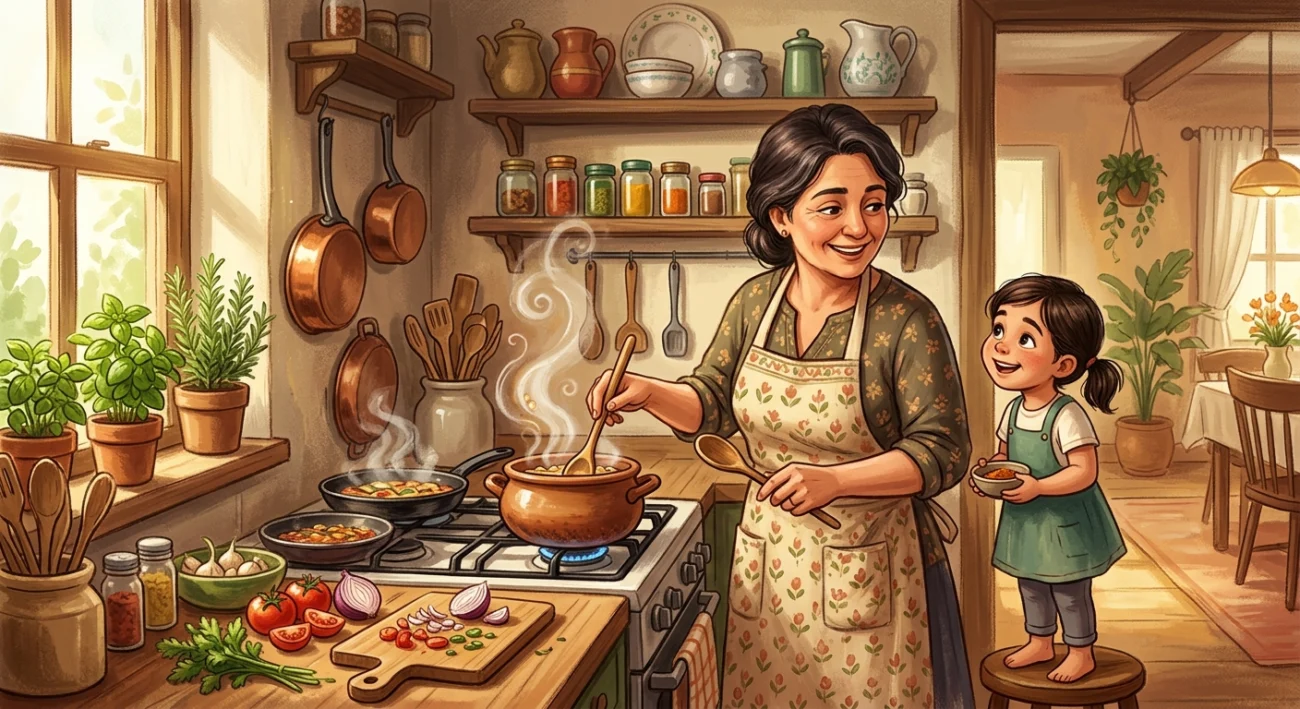
الأكلة بتبدأ قبل ما نحط أول مكوّن
في أكلات كتير، أول لقمة مش هي بداية الحكاية.الحكاية ممكن تبدأ من لحظة صغيرة جدًا: ريحة بصل بيتشوّح في المط...
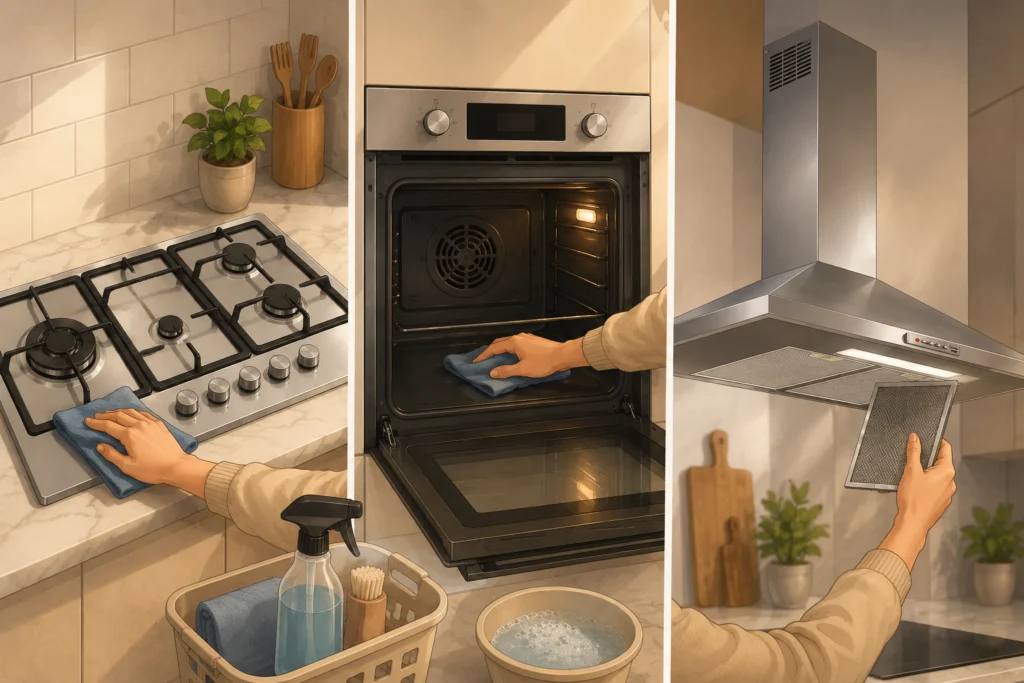
The devices that operate every day… who cares about them?
كل يوم تقريبًا نستخدم أجهزة المطبخ دون أن نفكر فيها كثيرًا.نشغل البوتجاز لإعداد القهوة أو الغداء، نفتح الف...
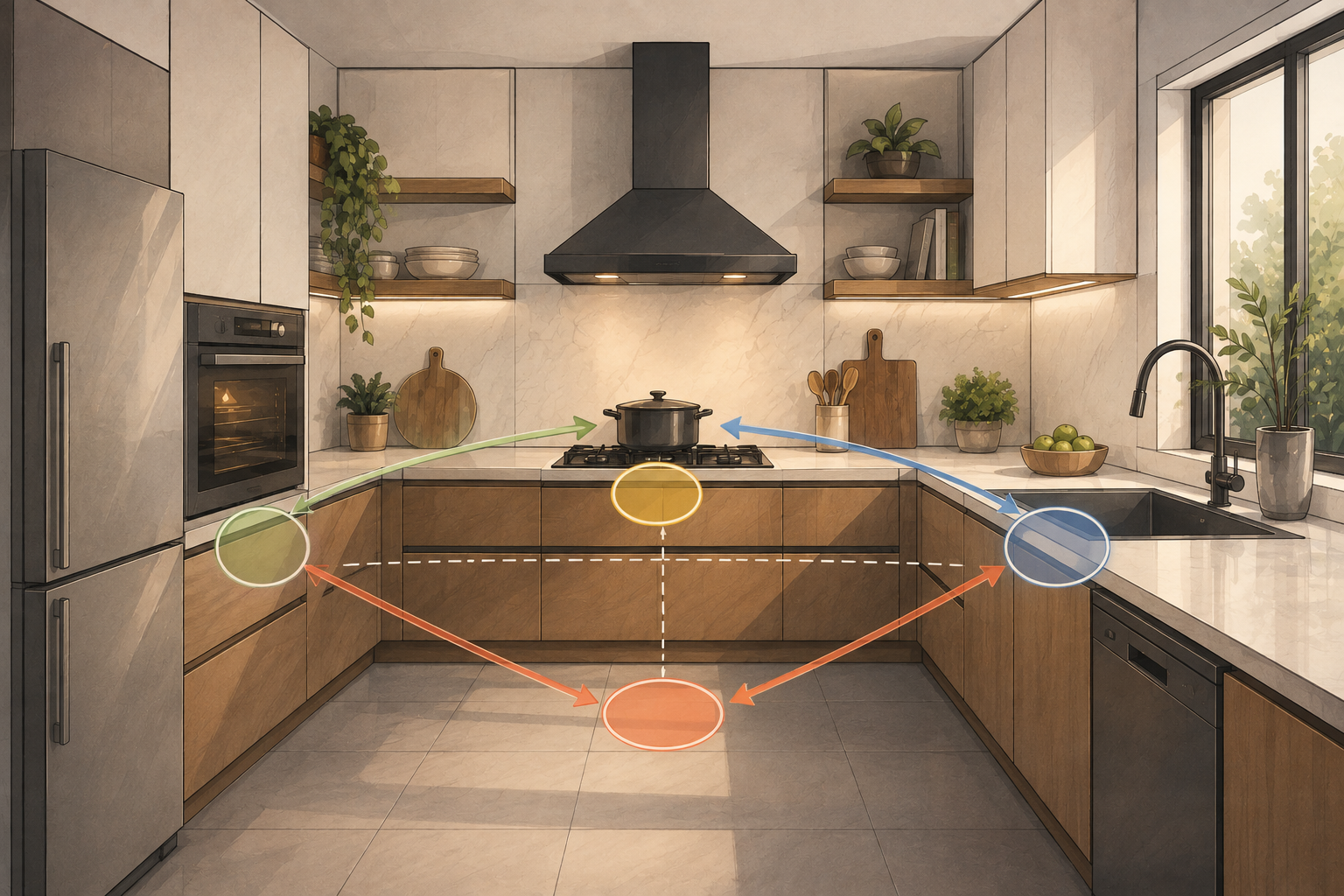
Kitchen design starts with movement: How to make every step in the kitchen easier?
قد يبدو المطبخ جميلًا جدًا في الصور، وقد تكون ألوانه متناسقة وخاماته مميزة، لكن بمجرد استخدامه يوميًا تبدأ في ...
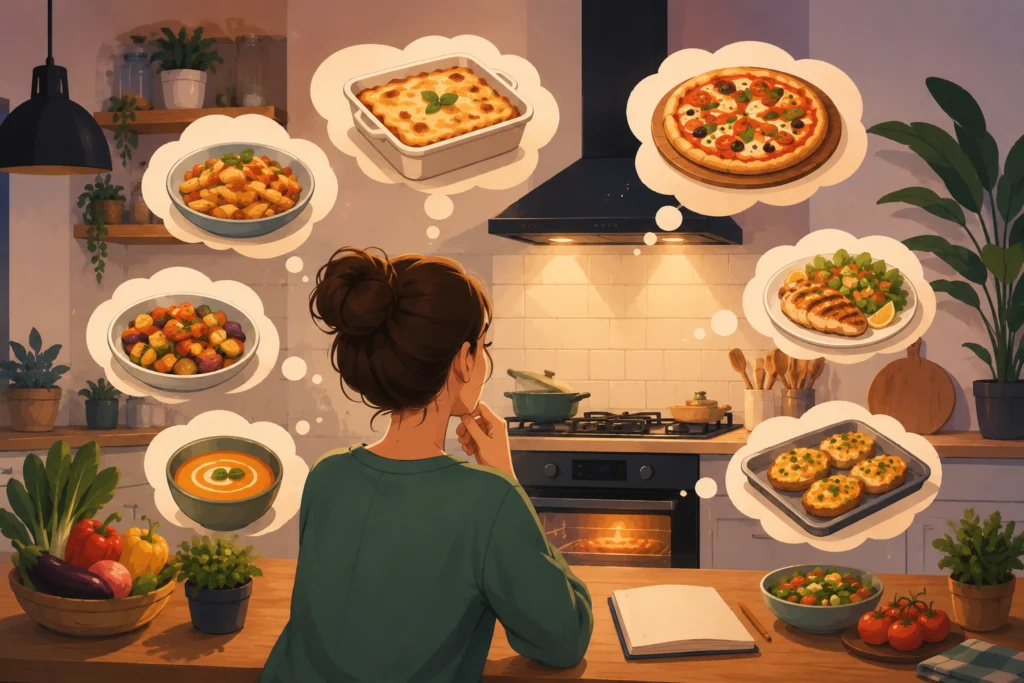
Different dinner ideas when you get bored of the same meals
تفتح الثلاجة، تنظر إلى ما بداخلها، ثم تغلق الباب.بعد دقائق تفتحه مرة أخرى وكأن شيئًا جديدًا سيظهر هذه المر...
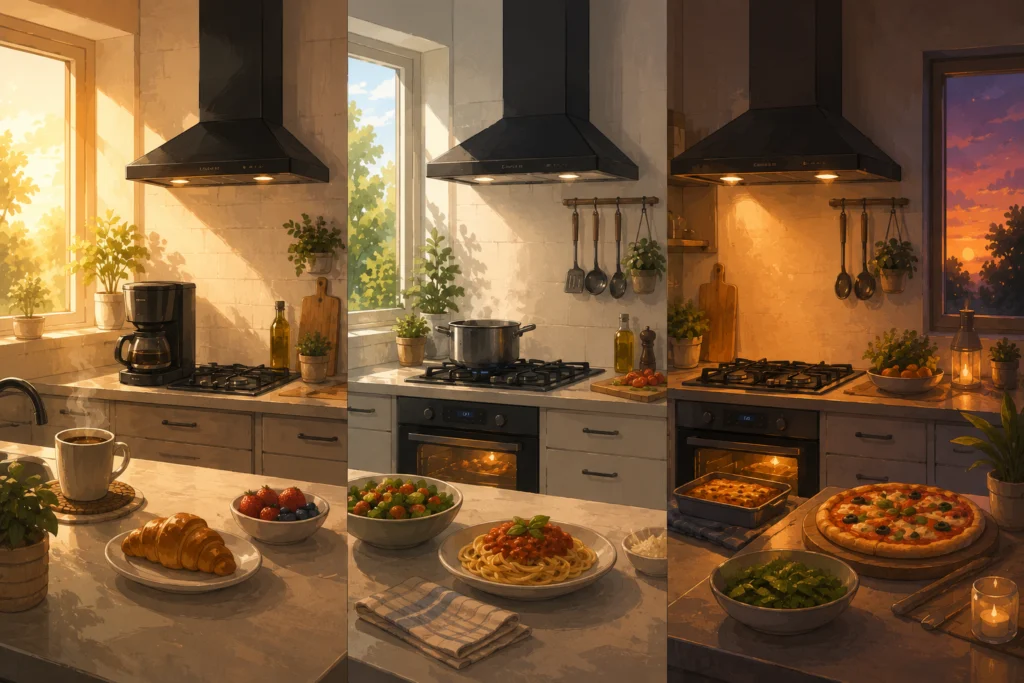
لكل منزل إيقاعه الخاص… ولكل وقت نكهته
قد تتشابه المنازل في التصميم، وتتقارب في المساحات، وربما تحتوي على الأجهزة نفسها، لكنك ستشعر دائمًا أن لكل منز...
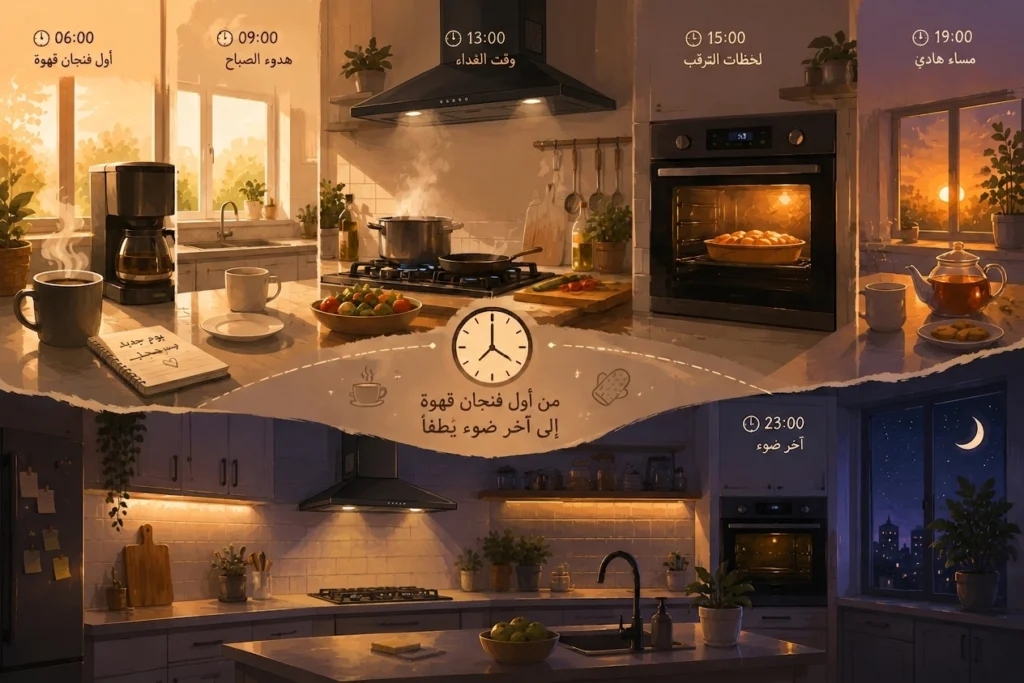
يوم في حياة مطبخ: من أول فنجان قهوة إلى آخر ضوء يُطفأ
لا يستيقظ المنزل كله في الوقت نفسه.هناك مكان يسبق الجميع دائمًا.قبل أن تمتلئ الغرف بالحركة، وقبل أن يب...
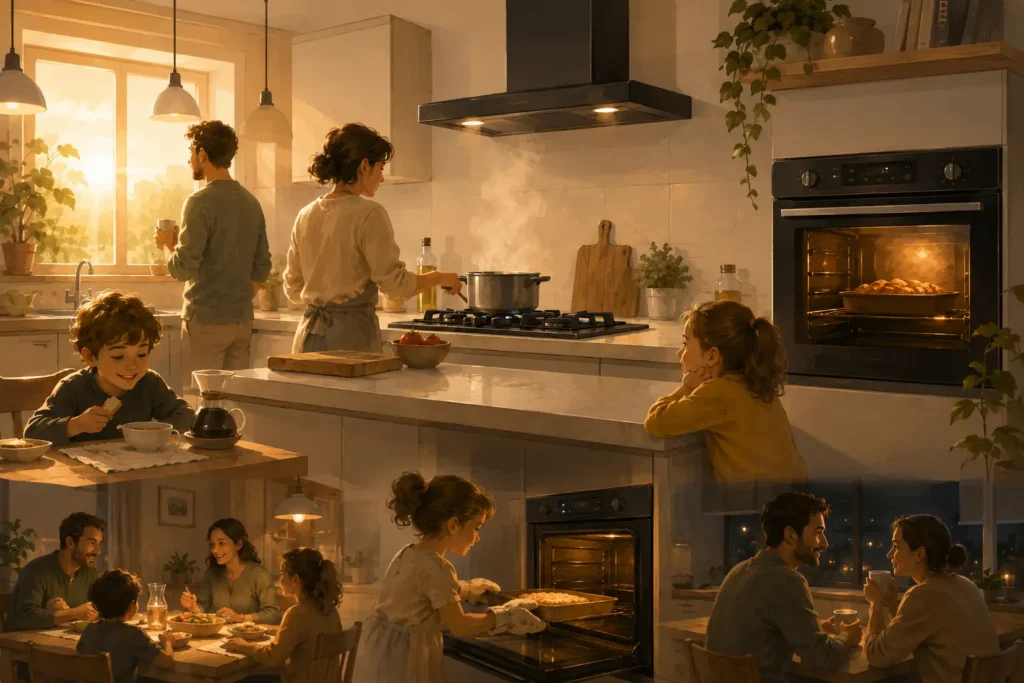
المنزل لا يُبنى في يوم… بل في لحظات تتكرر كل يوم
يظن كثير من الناس أن المنزل يكتمل بمجرد الانتهاء من التشطيبات، وتركيب الأثاث، ووضع الأجهزة في أماكنها. لكن الح...
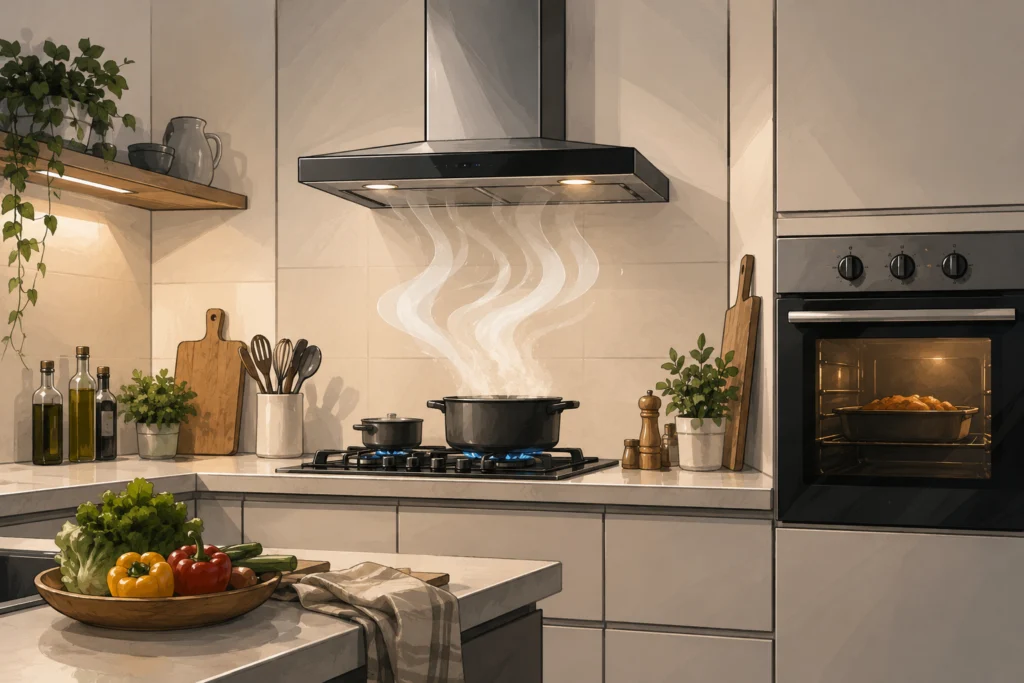
هل أصبحت الأجهزة متعددة الوظائف مستقبل المطابخ الحديثة؟
لم يعد اختيار أجهزة المطبخ يعتمد على الأداء وحده كما كان في السابق. فمع تغير أسلوب الحياة، وازدياد الاهتمام با...